What we trade · 02
Honey and natural sweeteners, qualified before you buy.
Bulk honey in drums for packers and manufacturers, retail-packed honey for grocery and specialty buyers, and natural sweeteners for food and beverage production. We check specification, testing and documents before a contract is signed.
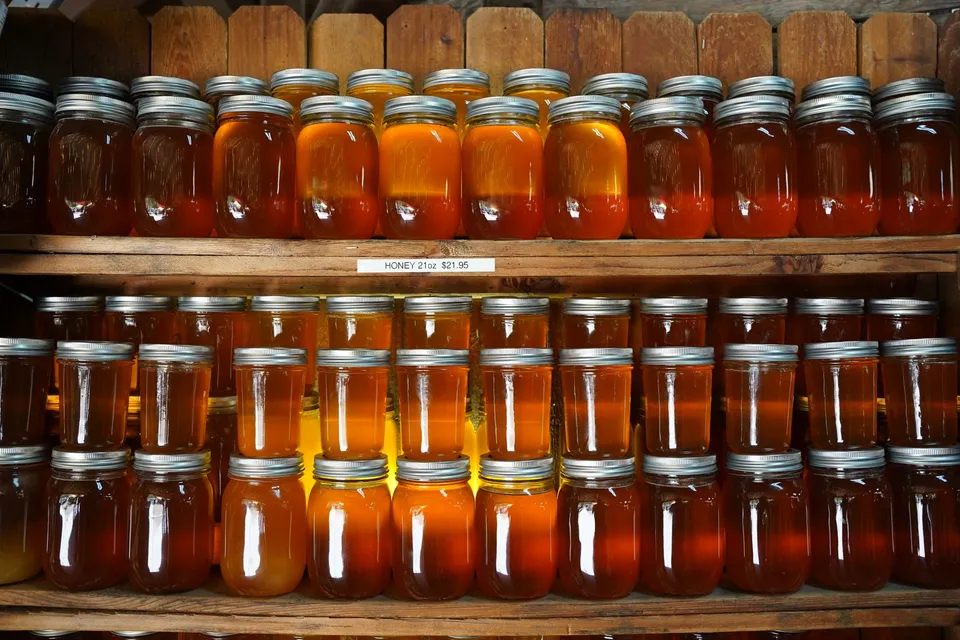
Sourcing bulk honey for US, UK and EU buyers
Honey is tested heavily in international trade. Packers and manufacturers set tight limits for moisture, color, residues and authenticity, and many will not approve a supplier until documents and lab results have been reviewed.
We work through that before anything ships. We match producers and exporters to the buyer's specification, review certificates of analysis and traceability documents, model the landed cost and negotiate the contract. This is one of the categories the Functional Brands Group team has worked in.
What we supply
Typical products we can source or represent:
Bulk honey
in drums and totes for packers, bakers, cereal, sauce and beverage manufacturers
Blossom and wildflower honey
and single-flower honeys such as acacia, sunflower, clover and buckwheat
Organic honey
where the producer holds organic certification for the destination market
Raw, filtered and creamed honey
and comb honey for specialty retail
Retail-packed honey
in jars, squeeze bottles and portion packs, branded or private label
Natural sweeteners for manufacturing
maple, agave and date syrups, date paste, coconut sugar, stevia leaf extract and erythritol
Which honey specifications do buyers check?
Bulk honey usually ships in lined steel drums or totes, palletized for container freight. Retail honey ships in glass jars, squeeze bottles and portion packs.
Parameters we check against the buyer's specification and the laboratory's certificate:
- Moisture content, against the buyer's limit
- HMF (hydroxymethylfurfural), an indicator of heating and storage age
- Diastase activity
- Color grade on the Pfund scale in millimeters, mapped to USDA color designations from water white to dark amber
- Sugar profile, including the fructose/glucose ratio
- Veterinary drug residues, including antibiotics such as chloramphenicol, nitrofurans, tetracyclines and sulfonamides
- Pesticide residues
- Authenticity: C4 sugar testing (stable carbon isotope ratio analysis), NMR profiling and other screens for added syrups
- Pollen analysis for botanical and geographic origin
- Traceability documents, and True Source Certified status where the buyer requires it
- Organic certificates, crop year, filtration and heat-treatment history
Who buys honey and natural sweeteners?
- Honey packers and importers in the US, UK and EU
- Branded honey companies
- Food manufacturers using honey as an ingredient in cereals, bakery, sauces, snacks and drinks
- Natural and specialty food distributors
- Retailers buying private-label honey
- Beverage, bakery and better-for-you snack manufacturers buying natural sweeteners
Quality and compliance checks
- US entry: the producer's FDA food facility registration where required, prior notice for each shipment, and supplier documents for the importer's FSVP.
- US labeling: under FDA guidance, a product that combines honey with other sweeteners should not be labeled simply as "honey".
- US duty: duty depends on origin, and trade-remedy duties apply to honey from some origins. We confirm the position with a licensed customs broker before quoting a landed cost.
- UK and EU: honey rules set composition criteria and require country-of-origin labeling. For blends, revised EU rules now require the label to name each country of origin; UK rules differ. Honey is a product of animal origin, so imports from outside the UK or EU usually need an approved country of origin, an official health certificate and entry through a border control post.
- Sweeteners: some plant extracts and sweeteners need specific approval as a food additive or novel food in the UK and EU, so we check status for the destination market before quoting.
This is a checklist, not legal advice. We work alongside licensed customs brokers and regulatory consultants. See ingredient sourcing and US market entry.
Questions
What is the Pfund color scale for honey?
The Pfund scale measures honey color in millimeters, from very light to dark. US buyers use it alongside USDA color designations, from water white to dark amber. Color affects flavor, use and value, so we confirm that the Pfund reading on the certificate of analysis matches the buyer's specification before a lot is offered.
How do you check that honey is authentic?
We ask for results from accredited laboratories for each lot, including C4 sugar testing and, where the buyer requires it, NMR profiling or other screens for added syrups. We review residue results, pollen analysis and traceability documents alongside them. If results are missing or out of specification, the lot is not offered. Independent pre-shipment testing can be arranged.
Can you source True Source Certified honey?
True Source Certified is a voluntary traceability program that many US honey packers ask for. When it is in your specification, we look for producers and exporters that are already certified, and we check the certification documents they provide. We do not certify honey ourselves, and we tell you before quoting if a supplier cannot meet the requirement.