Service 01 · US market entry
US market entry for food and beverage brands.
We help food and beverage producers from the UK, Europe and other origins get ready for the United States (import structure, FDA and FSVP questions, US labels and landed cost), then put their products in front of US distributors and buyers.
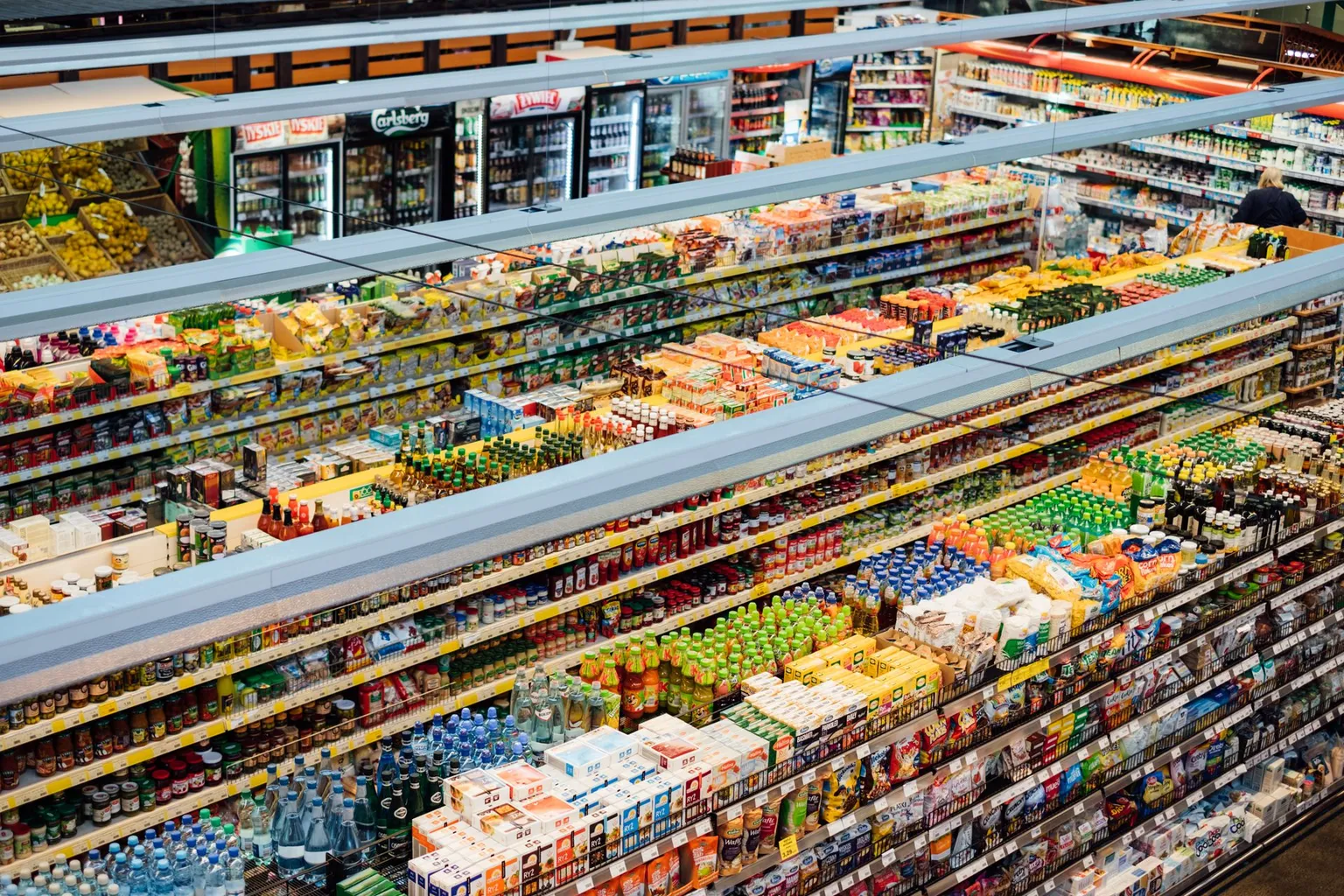
What is US market entry support?
Selling food in the United States means answering three questions in order. Can the product legally enter? Can it reach the shelf at a price that still works after freight, duty and channel margins? And who will buy it?
US market entry support answers those questions before the first container ships. Union Trade is a US-registered company. The Functional Brands Group team behind it has taken a European coffee brand into the US (an importer for East Coast entry, third-party warehousing, a retail broker and new-vendor submissions to national distributors) and has produced US Nutrition Facts labels for products made for UK and US retail. We bring that checklist to your product.
Who needs US market entry support?
- Food and beverage producers in the UK, the EU and other origins with a retail-ready product and no US route yet.
- Brands that started US talks and stalled on importer, label or pricing questions.
- Ingredient exporters that want US food manufacturers as customers.
- US importers and distributors adding a new range who need the supplier side made import-ready.
What US market entry support covers
- Readiness review. We check your product, ingredients, shelf life, pack formats, certifications and current labels against US requirements and what US buyers ask for.
- Import structure. We map who acts as importer of record and FSVP importer (your own US entity, a US distributor or a third-party importer) and what each option means for control, cost and paperwork. Foreign food facilities generally need an FDA food facility registration with a US agent; we help you check where you stand.
- US labeling. US labels differ from UK and EU labels. We brief your designer on the statement of identity, Nutrition Facts panel, ingredient list, allergen declaration, net quantity in metric and US customary units, the name and place of business of the manufacturer, packer or distributor, and country-of-origin marking. Claims are flagged for regulatory review. Where relevant we also flag California Proposition 65 questions and the certifications buyers often request, such as kosher.
- Landed cost and price structure. We build the model from your ex-works or FOB price through freight, duty, customs brokerage, warehousing, distributor and retailer margins to a shelf price, then test it against the shelf.
- Logistics set-up. We shortlist freight forwarders, licensed customs brokers and third-party warehouses, and coordinate the first-shipment checklist, including FDA prior notice and, for ocean freight, the Importer Security Filing.
- Channel plan and first introductions. We recommend which channels come first (national distributors such as KeHE and UNFI, conventional grocery wholesalers such as C&S, regional, specialty and import-focused distributors, retail brokers, foodservice or online) and open the first conversations.
We work alongside licensed customs brokers and regulatory consultants. They file entries and give formal regulatory opinions; we prepare the product data and keep the commercial plan in line with their advice.
What you get from US market entry support
- US readiness report with a prioritized gap list
- Import structure summary: importer of record, FSVP importer, US agent and facility registration status
- US label brief for your designer, with points for regulatory review
- Landed-cost and price-structure model by channel
- Shortlist of logistics partners and a first-shipment checklist
- Channel plan with target distributors, brokers and retailers
- Launch plan with owners and dates
How does a US market entry project run?
- Brief. A call and a product data request: specifications, labels, certificates, current markets and pricing.
- Review. We report the gaps and the decisions you need to make.
- Structure. We agree the import route and build the landed-cost model.
- Prepare. Labels, documents and logistics partners are put in place.
- Launch. First shipment and first buyer meetings, with distribution and retail listings as the next step.
FAQ
Does my food facility need to register with FDA before exporting to the US?
In most cases, yes. Facilities that manufacture, process, pack or hold food for consumption in the United States generally must register with FDA, and foreign facilities must name a US agent. Registrations must be renewed every two years, between October and December of each even-numbered year. There are exemptions, so we help you check your situation with a regulatory consultant and confirm your registration status before any shipment is planned.
What is FSVP and who is responsible for it?
FSVP is the Foreign Supplier Verification Program, an FDA rule under the Food Safety Modernization Act (FSMA). The FSVP importer (usually the US owner or consignee of the food at entry) must, in most cases, verify that its foreign suppliers produce food to the level of safety US rules require, and must be identified for each entry. We help you decide who takes that role and gather the supplier documents they will need.
Who should be the importer of record for our products?
It depends on volume, control and appetite for risk. Common options are your own US subsidiary, a US distributor that buys and imports the goods, or a third-party importer that acts for you. Each changes who holds the stock, who carries FSVP and liability responsibilities, and how pricing works. We set out the options; your customs broker and lawyers confirm the final structure.
Can we use our UK or EU label in the United States?
Usually not. US labels need a Nutrition Facts panel in FDA format, allergen declarations under US rules, a net quantity statement in US customary and metric units, and the name and place of business of the manufacturer, packer or distributor. Imported food also needs a country-of-origin marking, and claims follow different rules. We prepare a US label brief for your designer and have the final artwork reviewed before printing.
How long does US market entry take?
It depends on how much needs to change. A product with compliant labels, an importer in place and clear pricing can move quickly. Label redesign, a new import structure or certifications that buyers require add time. After the readiness review we give you a plan with dates, so you can see which steps drive the timeline before you commit.