What we trade · 08
Specialty and world foods for gourmet, natural and ethnic channels.
European and international specialty foods for importers, distributors and retailers in the United States, the United Kingdom and the European Union. We represent producers, build distributor routes and check import requirements before quoting.
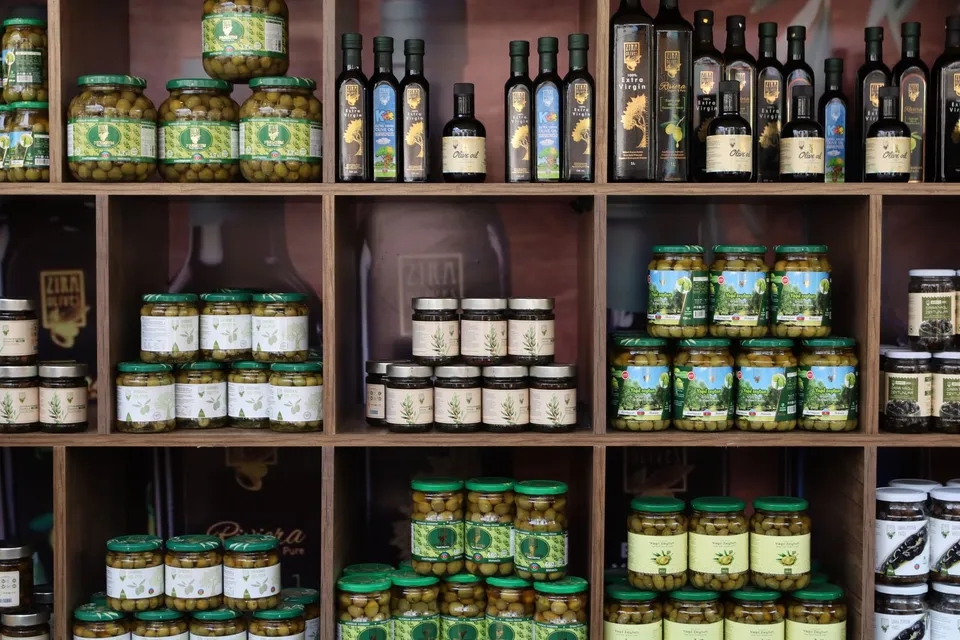
Specialty foods need the right route to market
Specialty and world foods travel through different channels from mainstream grocery: specialty importers, regional and ethnic distributors, gourmet and natural retailers, delis and online stores. A product that sells well at home often needs a new label, a new pack size or a different partner to work abroad.
We help producers choose the channel, prepare the product for import and present it to the importers and distributors that serve it. For distributors and retailers, we source specialty lines and private-label ranges that fill gaps in their portfolio. This is one of the categories the Functional Brands Group team has worked in.
What we supply
Typical products we can source or represent:
Preserves
jams, fruit spreads and honey-based products
Pickled and fermented vegetables
Sauces, condiments, dressings and pastes
Pantry lines
canned and jarred vegetables, pulses and prepared meals
Specialty bakery
crispbreads, rusks and long-life breads and cakes
Cheese and dairy specialties
Confectionery and snacks
from national cuisines
Grains, flours and pulses
for ethnic channels
Drinks
juices, syrups and soft drinks
Private-label ranges
for importers and distributors
Which formats and specifications do buyers ask for?
Formats include glass jars, cans, pouches and bottles for retail, foodservice cans and bulk packs, multipacks, and mixed pallets or consolidated loads from several producers.
Parameters we check:
- Ingredient and nutrition data in the destination market's format
- pH, water activity and the thermal process for jarred and canned products
- Preservatives, colors and additives, against each market's permitted list
- Shelf life and storage conditions
- Allergen matrix
- Pack size, case and pallet configuration, and barcodes
- Food safety certification of the producing facility
- Certificates where claimed or required: organic, kosher, halal, protected designations of origin
Who buys specialty and world foods?
- Specialty and gourmet importers
- Regional, ethnic and natural food distributors
- Independent grocers, delis and specialty retailers
- Grocery chains with world-foods aisles
- Foodservice and restaurant suppliers
- Online grocery and marketplace retailers
Quality and compliance checks
- Acidified and low-acid canned foods (US): many acidified foods, such as vinegar-pickled vegetables, and shelf-stable low-acid foods in hermetically sealed containers need the processing facility to register with FDA as a food canning establishment and to file a process for each product before it is shipped. Naturally fermented and refrigerated products are treated differently, so we confirm which rules apply.
- Meat, poultry and egg products (US): these fall under USDA FSIS, with country and establishment eligibility rules. We check eligibility before quoting.
- Dairy (US): many cheeses fall under tariff-rate quotas, where import licensing affects the duty paid.
- US entry and labels: FDA registration where required, prior notice, FSVP documents, Nutrition Facts, allergen declarations and country of origin.
- UK and EU entry and labels: labels in the language required by the country of sale, and a responsible food business operator, usually the importer, with an address in the market. Cheese, meat products and other products of animal origin from outside the UK or EU usually need an official health certificate and entry through a border control post.
This is a checklist, not legal advice. We work alongside licensed customs brokers and regulatory consultants. See US market entry and distribution and retail listings.
Questions
Do jarred and canned specialty foods need anything special to enter the US?
Many do. Acidified foods, such as vinegar-pickled vegetables, and shelf-stable low-acid foods in hermetically sealed containers need the processing facility to register with FDA as a food canning establishment and to file a process for each product. Naturally fermented and refrigerated products follow different rules. We check this early, because missing filings can stop a shipment at the port.
Can you help a specialty food producer find a US or UK importer?
Yes. We look at where the product fits, whether that is a specialty importer, an ethnic or regional distributor, the natural channel or a retail chain. We prepare the product information and label changes, present the range to buyers, and negotiate terms. Where you need an importer of record, we help you set one up.
Can you consolidate products from several producers into one shipment?
Where it suits the buyer, we coordinate orders from several producers into one shipment, working with logistics partners on consolidation, documents and landed cost. Each producer still has to meet the import and labeling requirements of the destination market, and we check those before orders are confirmed rather than at the port.