What we trade · 04
Functional ingredients, superfoods and botanicals.
Actives, superfood powders, herbs, spices and botanical extracts for food, beverage and supplement manufacturers. We source to specification, check identity and contaminants, and help you confirm regulatory status in the destination market.
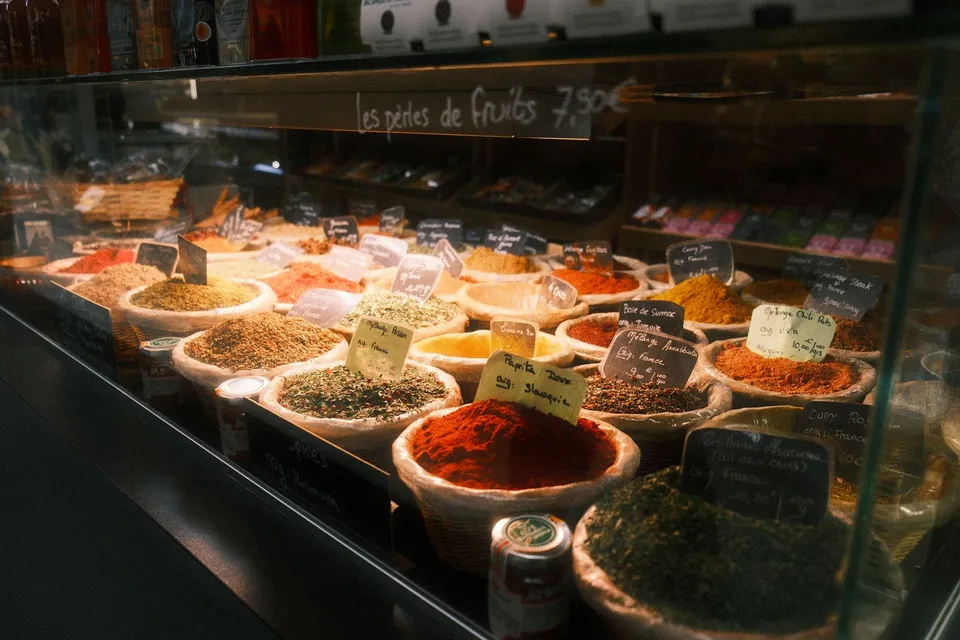
Botanical and functional ingredients with a job to do
Functional ingredients are bought for what they do in a formula: an active level, a color, a texture, a flavor or a claim. The risks are higher too. Identity, adulteration, heavy metals and regulatory status all have to be right before a product reaches the shelf.
We find and qualify botanical ingredient suppliers, from growers and processors to extract manufacturers, against your specification. We review certificates and lab results, and help you check the ingredient's status for its intended use in the US, UK or EU. New formulations are developed with Functional Brands Group's brand team. This is one of the categories the Functional Brands Group team has worked in.
What we supply
Typical products we can source or represent:
Superfood powders
spirulina, chlorella, moringa, acai, goji, blueberry and beetroot powders
Functional actives
natural caffeine, vitamin and mineral premixes, electrolytes, creatine, plant proteins, and fibers such as inulin and pectin
Botanical extracts
ginseng, guarana, green coffee, turmeric and ginger extracts, standardized to a marker where specified
Functional mushrooms
mushroom powders and extracts
Herbs and spices
turmeric, ginger, cinnamon, black pepper, paprika and culinary herbs; chamomile, mint and other herbs for infusions
Vegetable and fruit powders
low-temperature dried vegetable pieces and powders, and fruit powders for color and flavor
Seeds and grain powders
chia, flax and quinoa flours
Which formats and specifications do buyers ask for?
Ingredients ship as powders, granules, standardized extracts, cut and sifted herbs or whole spices, in lined fiber drums, cartons and bags for manufacturing, or in retail and private-label packs.
Parameters we check:
- Botanical identity: Latin name, plant part and identity testing, such as HPTLC, microscopy or DNA-based methods
- Active or marker content, and the test method used
- Extract ratio, extraction solvent, carriers and excipients
- Heavy metals: lead, cadmium, arsenic and mercury
- Pesticide residues, and ethylene oxide, a particular concern for UK and EU buyers
- Polycyclic aromatic hydrocarbons (PAHs), and pyrrolizidine alkaloids in certain herbs
- Microbiology and the treatment method, since irradiation is restricted and must be labeled in some markets
- Particle size, solubility, color and moisture
- Allergen status and carrier origin
- Certificates: organic, kosher, halal, and GMP documentation for supplement-grade material
Who buys functional ingredients and botanicals?
- Dietary supplement and sports nutrition manufacturers
- Functional food and beverage brands
- Bakery, cereal and snack manufacturers
- Spice and tea blenders and packers
- Ingredient distributors
- Private-label suppliers and co-manufacturers
Quality and compliance checks
- Status for intended use: in the US, a food ingredient needs a lawful basis such as GRAS status or food additive approval; dietary supplements follow separate rules, including new dietary ingredient notifications and supplement manufacturing practice requirements. In the UK and EU, a food not consumed to a significant degree there before 15 May 1997 is a novel food and needs authorization before sale.
- Restrictions: some botanicals and actives are restricted or have maximum levels in specific markets.
- US entry: the producer's FDA registration where required, prior notice, and supplier documents for the importer's FSVP.
- California: heavy metals can trigger Proposition 65 warning requirements for products sold in California.
- Claims: benefit claims are reviewed for each market; see functional food and beverage.
This is a checklist, not legal advice. We work alongside licensed customs brokers and regulatory consultants. See ingredient sourcing and brand development and private label.
Questions
How do you verify botanical identity?
We ask for the Latin name, plant part and an identity test result for each lot, such as HPTLC, microscopy or DNA-based methods, from the producer's laboratory or an accredited third-party laboratory. For extracts we also check the marker compound, the test method and the extraction solvent. Where the buyer wants it, we arrange independent testing before shipment.
Can you check whether an ingredient is allowed in the UK, EU or US?
We help you check the ingredient's status for your intended use before quoting: whether it is a novel food or a restricted botanical in the UK or EU, or needs a GRAS, food additive or dietary supplement basis in the US. Where you need a formal regulatory opinion, we bring in regulatory consultants rather than giving legal advice ourselves.
Do you supply ingredients for dietary supplements?
Yes, we source supplement-grade botanicals, extracts and actives for manufacturers. Supplement buyers usually need GMP documentation, full contaminant testing and stability or shelf-life data, so we ask for those at the shortlist stage rather than after samples are approved. Labeling and claims for finished supplements are reviewed with regulatory consultants.